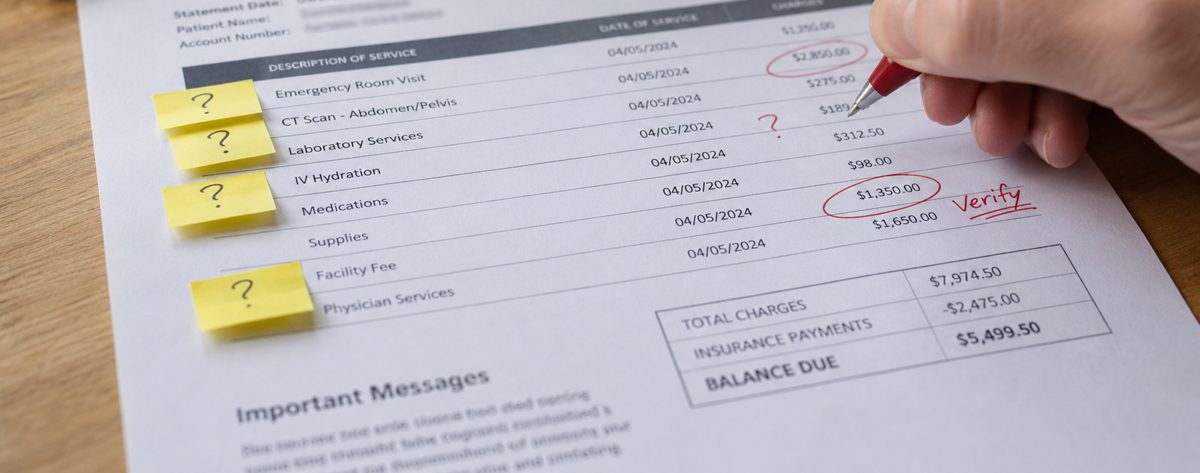
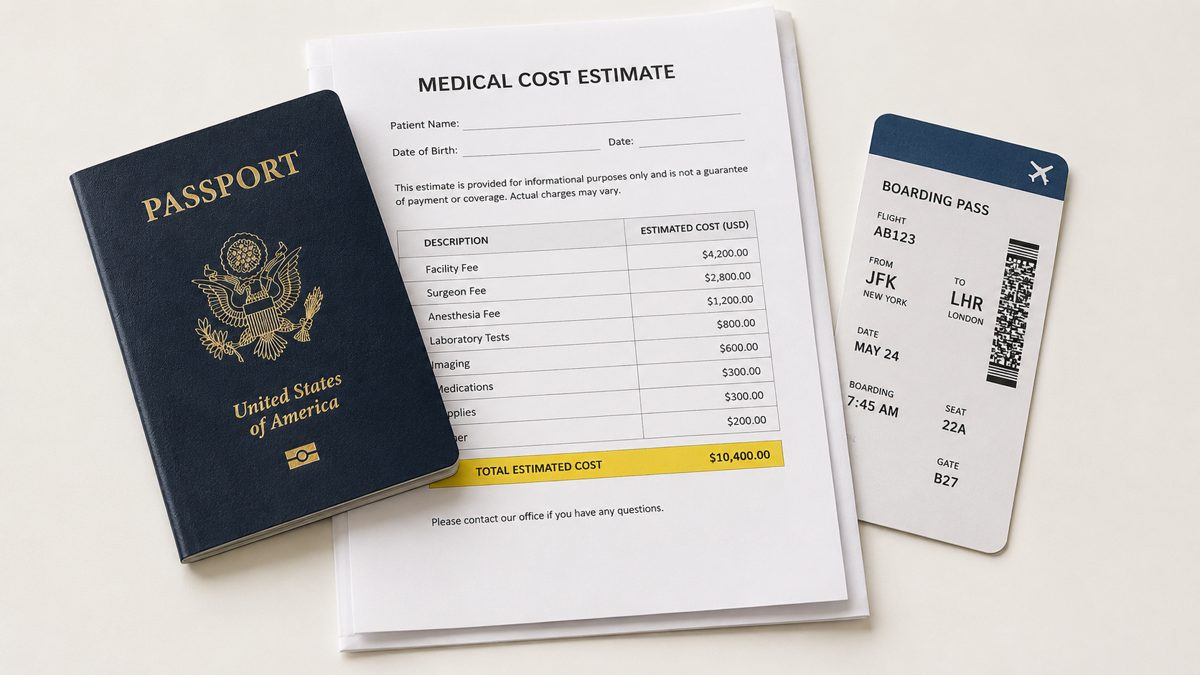
Hospitals bill uninsured patients inflated list rates by default — then offer a materially lower self-pay rate to anyone who asks for it — the size of the discount varies by hospital and is rarely advertised. We publish the real numbers, the scripts that unlock them, and what the same procedure costs abroad.
$220,000,000,000 — what Americans owe in medical debt, per KFF.
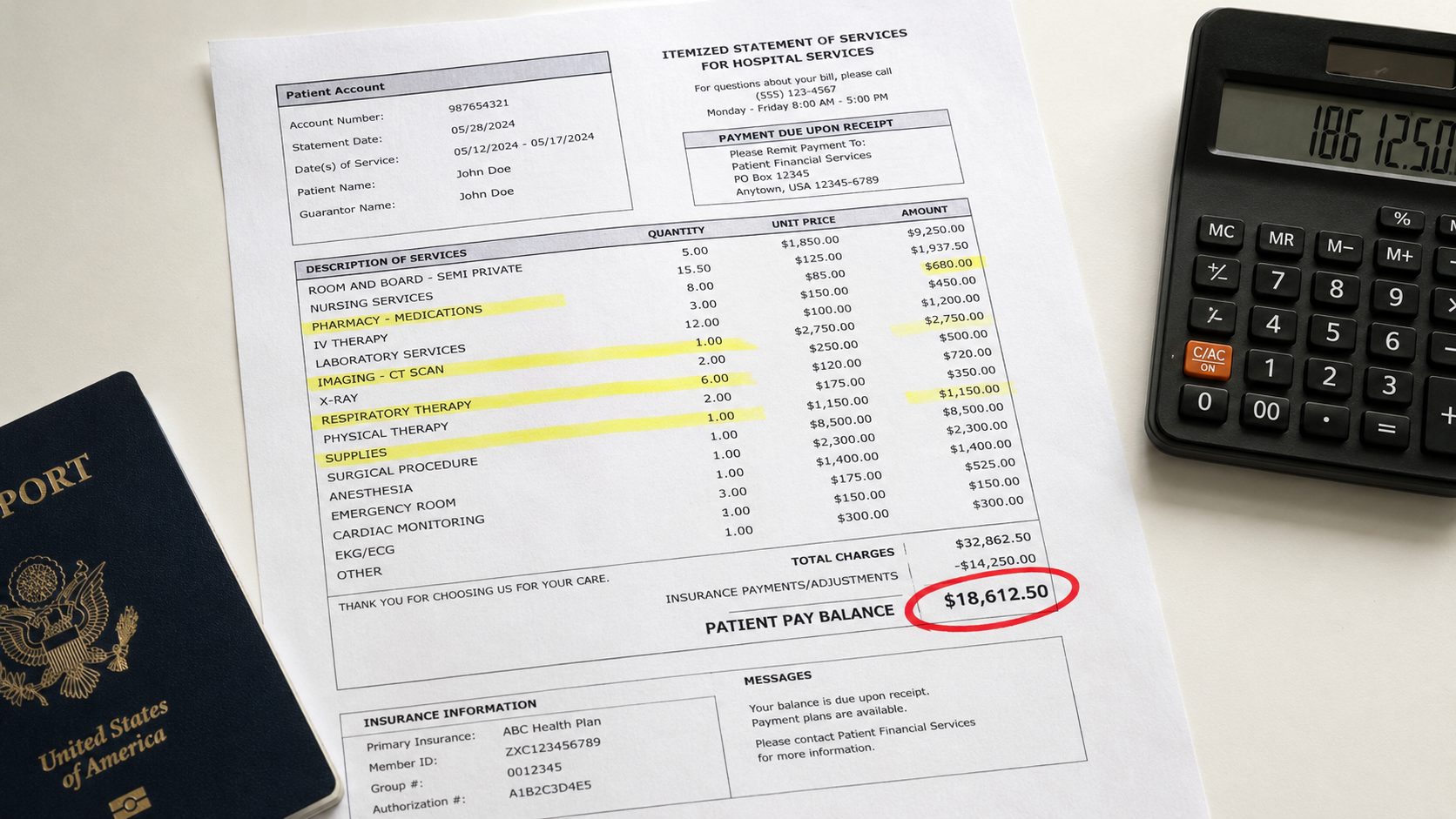
The list price is what you're billed. The cash rate is what smart self-pay patients actually pay. And international private care is another option worth comparing when domestic cash prices remain out of reach.
Midpoints of typical 2026 self-pay ranges compiled from published cash-price benchmarks (bundled surgery-center menus, marketplace listings, specialty-society fee data). These are typical ranges, not quotes — your price depends on facility, region, and case complexity.
Independent imaging centers post flat cash rates. Hospital radiology bills 4–6x more for the same machine.
Facility fee, physician fee, labs, and imaging are all billed separately — and each is separately negotiable.
The all-in price: post, abutment, and crown. The '$999 implant' ad covers only the post.
Endodontists charge 20–30% more than general dentists. Abroad, the same work runs a fraction of either.
Chargemaster billing vs. prepaid flat maternity packages. Some hospitals cut the price in half if you prepay by the second trimester.
Transparent surgery centers publish all-inclusive bundles — surgeon, facility, anesthesia, and follow-up in one price.
Every step below is legitimate, documented, and works better the earlier you start. Most people don't know steps 1–3 exist.
Ask the billing department for the written self-pay or cash rate and an itemized Good Faith Estimate. The difference from the chargemaster or billed amount can be substantial, but it varies by facility and case.
Every nonprofit hospital is legally required to have a financial assistance policy. Most give free care under ~200% of the poverty line and steep discounts up to 400%.
Freestanding surgery centers, independent imaging, and direct-pay facilities can price differently from hospital systems. Compare written, all-in estimates rather than assuming the facility type determines the final price.
When the domestic cash price is still unaffordable, international private care can be another comparison point. Compare the total trip cost, provider credentials, facility, follow-up plan and a case-specific written quote.
Our guides cover the moves that actually lower the number: requesting itemized bills, disputing charges over your Good Faith Estimate, manufacturer programs that cap insulin at $35/month for the uninsured, GLP-1s direct from the maker for a fraction of retail, and the $4 generics list at your local pharmacy.
Browse the guidesColombia has a large private-care market and is one of the destinations covered by our international-care guides. Do not treat an old country ranking or a headline savings percentage as a provider-quality signal; compare the treating clinician, facility, written quote, follow-up plan and total trip cost.
We operate a network of Colombia care guides with typical 2026 pricing, credential-verification walkthroughs, and direct contact with English-speaking coordinators.
Compare options · three short cards
Self-pay at home versus a written quote abroad, with the questions to ask before you pay a deposit anywhere. No web form can decide what treatment you need; this one just organizes the money question.
Uninsured, underinsured or just denied: pick the one closest to yours.
Enhanced tax credits expired. What changed, and what to check before you drop coverage.
Gig workersSurgery options for freelancers and gig workers.
High deductibleWhy a high-deductible plan can leave you paying most of the bill.
DeniedEvery option you have after an insurance denial.
VeteransWhat to do next, including care abroad.
TRICAREWhat retiree coverage leaves out.
CanadiansFalling through the cracks of provincial coverage.
Not coveredThe procedures insurance rarely pays for, and what they really cost.